
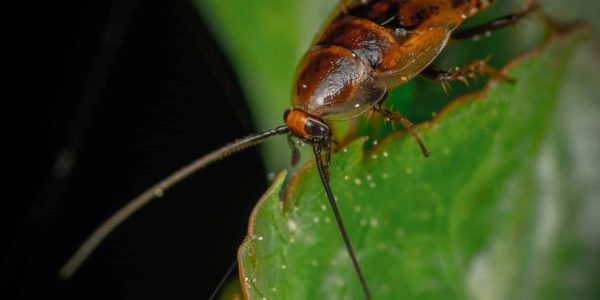
Cockroach Control in Austin
FUN FACT
Cockroaches can live for a week without their heads due to their open circulatory system and the ability to breathe through tiny holes in their body segments.
Schedule Your Cockroach RemovalCall (512) 764-5804Prickly Pear's Approach to Roach Control
- Inspection: Conduct a thorough inspection to identify cockroach species and infestation levels.
- Exclusion: Seal entry points and implement barriers to prevent cockroaches from entering your home.
- Sanitation: Provide guidance on maintaining cleanliness and reducing food and water sources.
- Targeted Treatments: Use baits, traps, and insecticides to eliminate cockroach populations effectively.
- Ongoing Monitoring: Regularly monitor and adjust strategies to ensure long-term control.
Identification
Signs of Infestation
Cockroaches are notorious pests found across Texas, with common species including the American, German, and Oriental cockroaches. These resilient insects thrive in the warm, humid conditions typical of Texas. They are usually nocturnal, hiding during the day and emerging at night to search for food and water.
- Sightings: Seeing cockroaches during the day can indicate a significant infestation, as they are typically nocturnal.
- Droppings: Small, dark droppings resembling coffee grounds or black pepper in infested areas.
- Egg Casings: Brownish, oblong egg casings (oothecae) found in hidden areas.
- Unpleasant Odor: A musty, unpleasant odor from the aggregation of cockroaches.
- Shed Skins: Finding shed skins as cockroaches grow and molt.
Preventative Cockroach Control
- Cleanliness: Keep your home clean, especially in kitchens and food storage areas. Regularly dispose of garbage and clean up spills.
- Seal Entry Points: Inspect and seal cracks, gaps, and holes in walls, doors, windows, and foundations to prevent cockroach entry.
- Proper Food Storage: Store food in airtight containers and avoid leaving pet food out overnight.
- Reduce Moisture: Fix leaky pipes, use dehumidifiers, and ensure proper ventilation to reduce humidity levels.
- Remove Clutter: Eliminate clutter where cockroaches can hide and breed.
Cockroach Control in Austin: Which Roach Do You Have?
The treatment depends on the species, so identifying it comes first.
- German cockroaches are small, tan, and live indoors in kitchens and bathrooms. They breed fast and spread on boxes, appliances and secondhand furniture. They need a targeted indoor program of gel baits and an insect growth regulator, not a general spray.
- American cockroaches are the large reddish-brown roaches many Texans call water bugs or palmetto bugs. They live outside in mulch, drains and sewers and wander in. Exterior treatment and sealing entry points controls them.
- Smoky brown and Oriental cockroaches also live mostly outdoors around moisture, leaf litter and crawlspaces.
How we treat roaches
- Inspect and identify. We check kitchens, baths, garages, attics and the exterior to find the species and where they’re living.
- Treat where they hide. Gel baits in cracks and hinges, growth regulators that stop breeding, and exterior barrier treatment around foundations, doors and plumbing entries.
- Remove what feeds them. We point out moisture problems, food access and clutter that keep roaches going.
- Follow up. German roach jobs need a return visit to break the egg cycle. Outdoor species are best handled on our ongoing pest plan.
Cockroach questions we hear
I only see one now and then. Do I need treatment?
An occasional large roach after rain is common in Texas and is usually an outdoor species wandering in. Small roaches in the kitchen, especially in daytime, point to a German cockroach infestation that won’t go away on its own.
How long does it take to get rid of German roaches?
Most homes see a sharp drop within two weeks, with follow-up visits to finish off roaches that hatch from egg cases.
Are your plans guaranteed?
Yes. All pest service is backed by our 30-day guarantee. If roaches return within 30 days of treatment, we come back at no cost. See plans and pricing.
Roaches in apartments, rentals and restaurants
German cockroaches move between units through shared walls and plumbing. In multi-unit buildings, treating one unit alone often fails; we work with landlords and property managers to treat adjoining units on the same schedule. Restaurants and commercial kitchens get a service plan with regular inspections and documentation.
Sealing gaps under doors and around plumbing where pipes enter the walls also keeps outdoor roaches from wandering in.
We provide cockroach control across Austin, Pflugerville, Round Rock, Hutto, Georgetown, Leander and Cedar Park.
Recent cockroach control jobs: See all 1 across Central Texas →
More pest control: Pest control services in Central Texas · Pest control plans and pricing